2012 CAT 320D at 16,000 Hours: The Inspection I Would Run
A 16,000-hour 20-ton excavator is not a “walk up and start it” purchase. The hour reading is high enough that the inspection order matters: undercarriage first, hydraulics second, engine third, paperwork last. This is the order I would use on stock exy-cate320d-059, a 2012 CAT 320D, Grade C, quoted on request.
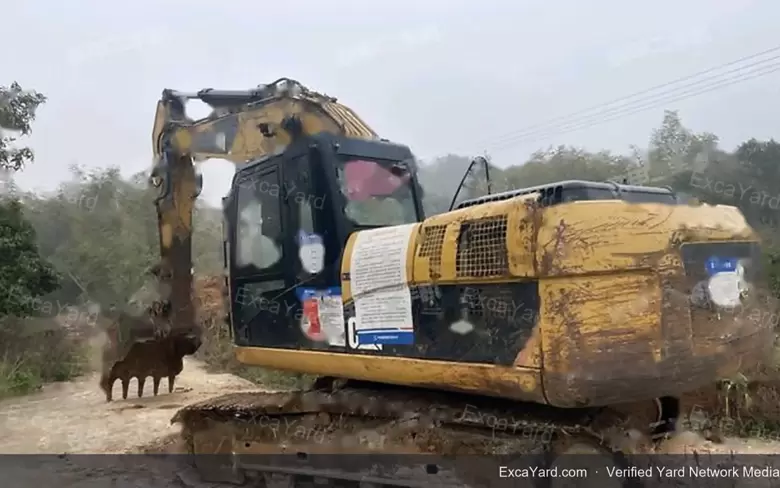
1. Undercarriage before anything else
On a high-hour 320D, the undercarriage is the largest single repair line. Ask for close-up photos of the track shoes, links, rollers, idlers and sprockets. If the seller can evidence a wear percentage, ask for it. If not, use the photos to judge whether the tracks are near the end of their life.
Do not accept a wide shot of the machine. You need the undercarriage in detail, with a scale reference if possible. A set of tracks that needs replacement can change the economics of the machine.
2. Hydraulics on a cold start
Ask for a video that starts cold and shows the boom, arm, bucket and travel through a full cycle. Watch for drift, hesitation and abnormal noise. Ask whether the hydraulic pump or any cylinder has been repaired, and request the evidence the seller can provide.
A warm idle video is not enough. Cold-start behaviour is where weak pumps and seals show up.
3. Engine: smoke, blow-by, idle
The engine should start without ether or a long crank. Look for excessive smoke, blow-by from the breather and an unstable idle. Ask for the service records the seller can evidence; if there are none, treat the engine as unknown, not as good.
At 16,000 hours, a major engine repair is possible. Price it before you commit, not after.
4. Pins, bushes and structure
Ask for photos of the bucket, arm and boom joints. Excessive play is a repair cost. Look for cracks or fresh welds on the boom, arm and frame. A crack is a stop sign until it is properly assessed.
| Area | What to request | Why |
|---|---|---|
| Undercarriage | Shoes, links, rollers, idlers, sprockets | Largest wear item |
| Hydraulics | Cold-start cycle video | Pump and cylinder risk |
| Engine | Cold start, smoke, blow-by | Major repair risk |
| Pins/bushes | Bucket, arm and boom photos | Cost and safety |
| Structure | Boom, arm, frame, counterweight | Cracks and welds |
5. The paperwork and the price
Ask for the invoice, the export documents and any inspection report the seller has. Confirm the stock number matches the photos. Then compare the total with the 2013 unit at 10,690 hours and the 2007 unit at 10,000 hours, both also quoted on request.
The 2012 machine may still be the right buy if the undercarriage and hydraulics are serviceable. It is not the right buy if the repair reserve pushes the landed cost above a lower-hour unit.
What the seller should send before the visit
Before an inspector travels, ask for a photo set that covers all four sides, the cab, the engine bay, the undercarriage and the hour meter. Ask for a cold-start video and a short hydraulic cycle. If the seller cannot provide these, the inspection starts with a disadvantage.
Send the stock number with the photos so the inspector can match the machine. A report on the wrong unit is worse than no report.
How to read the report
A good report separates three things: what the inspector measured, what they inferred, and what they could not verify. “Left track roller worn” is a measurement. “Undercarriage about 60%” is an inference. “No service records” is an unknown. Do not let the three blur together.
Ask for the photos behind every major finding. If a repair is described but not photographed, ask why.
If the report is bad
A bad report is useful. It gives you a repair list and a negotiating position. If the undercarriage is near the end of its life, price the replacement; if the hydraulic pump is weak, ask for a quote. Then decide whether the unit is still cheaper than a lower-hour machine in the same class.
Questions buyers ask
Is 16,000 hours too high for a 320D?
It is high, but not automatically disqualifying. The undercarriage, hydraulic and engine condition decide. A high-hour machine with a rebuilt undercarriage can be a better buy than a low-hour machine with a worn one.
Can I inspect it remotely?
Yes. Ask for a live video call or a recorded cold-start cycle, plus close-up photos. A third-party inspector in China is the stronger option.
What is the FOB price?
Price on request for this unit. The final quote is confirmed on WhatsApp.
Start with the undercarriage, not the paint.
Ask for the cold-start video, the undercarriage close-ups and the pin/bush photos for exy-cate320d-059. We will confirm availability and the current price on WhatsApp.