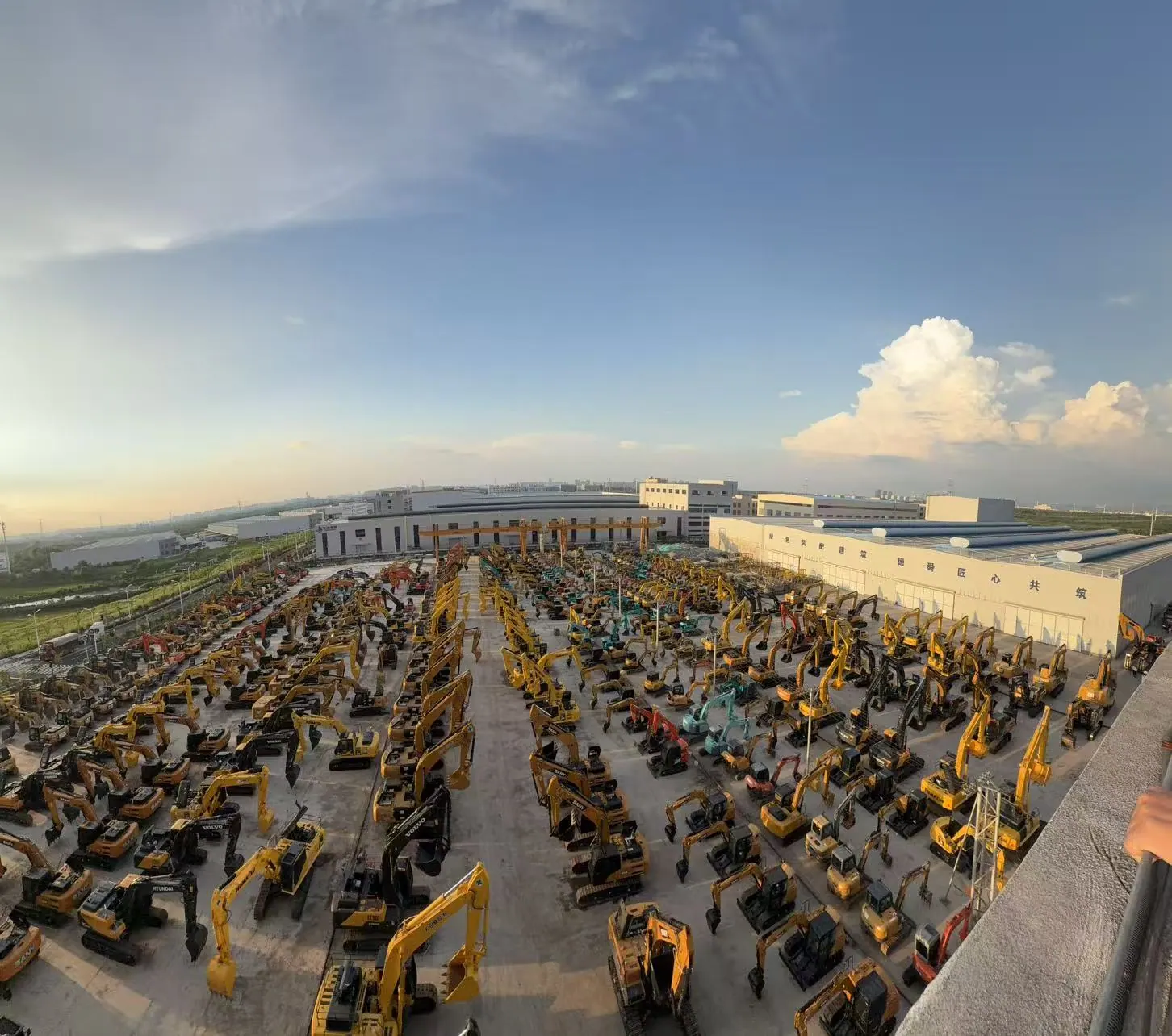
13 CAT 320D Units in One Yard: How to Compare Them
A list of 13 machines can make the decision harder, not easier. The units are not interchangeable: each has its own year, hours, grade and price. The comparison only works if you use the same evidence on every unit. This is the method I would use before choosing one.
Step 1: Build the table
| Stock | Year | Hours | Grade | FOB |
|---|---|---|---|---|
| exy-cate320d-048 | 2007 | 10,000 | B | On request |
| exy-cate320d-059 | 2012 | 16,000 | C | On request |
| exy-cate320d-161 | 2013 | 10,690 | B | On request |
The model page shows a wider price range (about $12,600–$22,400) because some units have different years, hours and grades. Ask for the full 13-unit list with the same columns.
Step 2: Rank by evidence, not price
Start with undercarriage photos, then the cold-start video, then the hydraulic cycle, then the pins and structure. Give each unit a simple score: strong, acceptable, or needs work. Do not let a lower price move a unit up before the evidence is in.
Step 3: Compare the three entry units
The 2007, 2012 and 2013 units are all quoted on request. The 2012 has the highest hours and the lowest grade; the 2007 and 2013 have similar hours but different years. On paper, the 2013 is the default. The inspection can change that.
If the 2007 unit has a better undercarriage and a cleaner hydraulic report, it can beat the 2013 unit despite the older year. If the 2012 unit has a rebuilt undercarriage, its 16,000 hours may matter less.
Step 4: Price the repair reserve
Ask your mechanic what the likely first-year repairs are on each unit. A machine with a $3,000 repair reserve needs that reserve added. Compare that total, not the FOB price.
Step 5: Choose the unit you can inspect
If two units are close, choose the one with the better evidence and the easier inspection. A unit you cannot inspect is a unit you cannot price.
The 13-unit table in practice
Ask for the table as a spreadsheet, not a list in a chat. The columns should be stock number, year, hours, grade, FOB, yard and photo link. Sort by price first, then by hours. The sort will not tell you which machine is best, but it will show you where the outliers are.
An outlier can be a bargain or a warning. A unit priced well below its year and hours deserves a closer look; a unit priced above the group needs a reason.
What to ask for each unit
For every shortlisted unit, request the same five items: cold-start video, undercarriage photos, hydraulic cycle, pin/bush photos and the hour-meter image. If one seller can provide them and another cannot, the comparison is already unequal.
Keep the stock number on every file. A photo set without an identity is not evidence.
A note on yard location
The units may not all be in the same yard. The location affects the loading port and the inland transport. Ask where each shortlisted unit is before you compare freight quotes.
How to run the comparison in one afternoon
Start with the spreadsheet, not the photos. Put the 13 units in price order and mark the three that are closest to your budget. Request the same five evidence items for those three. While you wait, read the descriptions for inconsistencies: a 2007 unit described as “low hours” with 12,000 hours on the meter is not low.
When the evidence arrives, score each unit on a simple sheet: undercarriage, hydraulics, engine, structure and documentation. Give each item a score of 0–2. A unit with a clean engine but a worn undercarriage is not a 10; it is a 6 with a known cost. The score is a conversation tool, not a precise valuation.
Then price the repair reserve. If the undercarriage is due, add the local cost of a set. If the hydraulic pump is weeping, add the cost of a repair or replacement. The unit with the lowest price plus reserve is the one to inspect first.
What the yard photos cannot show
A photo can show a clean machine or a fresh paint job. It cannot show a cold-start smoke pattern, a weak travel motor or a hydraulic delay when the oil is hot. Those are the failures that stop a machine in the first month.
That is why the video and the inspection matter more than the gallery. Use the photos to shortlist; use the video and the report to eliminate. Do not fall in love with a machine because it looks tidy in a wide shot.
When the cheapest unit is the right one
The cheapest unit can be the right buy if you have a workshop, a mechanic and a plan for repairs. A lower-priced machine with a known undercarriage cost can still be cheaper than a $22,000 machine with no history. The math depends on the repair cost and the downtime, not on the sticker alone.
If you do not have a workshop, the cheapest unit is usually the wrong starting point. Pay for condition and evidence instead.
Questions buyers ask
Can you send the full 13-unit list?
Yes. Ask for the list with stock number, year, hours, grade and FOB price.
Are all 13 units in the same yard?
Ask for the location of each unit; the yard and the port can differ. The loading plan follows the unit.
Can I reserve a unit?
Ask about the hold terms before you pay. A single unit can sell while you compare.
Start with the list, then inspect the shortlist.
Ask for the 13-unit table and the photo/video set for the units that fit your budget. We will confirm availability on WhatsApp.