First-Year Spare Parts Kit for a Used CAT 320D
A used machine does not fail on a schedule. It fails when a small part you did not stock stops the job. A first-year spare parts kit is not about rebuilding the machine; it is about keeping it working while the next shipment arrives.
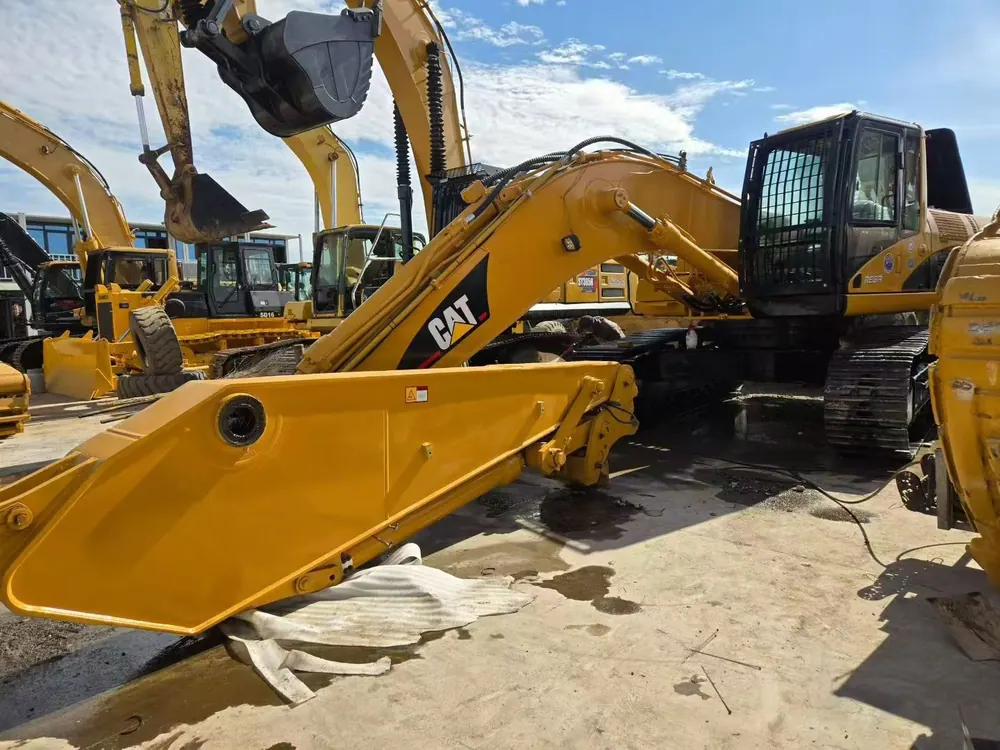
What belongs in the kit
| Category | Items | Why |
|---|---|---|
| Filters | Engine oil, fuel, hydraulic, air | First service and contamination control |
| Seals | Hydraulic cylinder seal kits, O-rings | Leaks are common on older machines |
| Hoses | High-pressure hoses, fittings | A burst hose stops the machine |
| Wear parts | Bucket teeth, pins, bushes | Fast-moving consumables |
| Electrical | Fuses, relays, sensors as applicable | Diagnosis and quick fixes |
| Consumables | Grease, coolant, engine oil | First service |
Ask the seller or your mechanic which parts are specific to the machine’s serial number. A “320D kit” is not universal across every year and configuration.
How much to stock
Stock one service interval of filters and consumables, one or two critical hoses, and the seal kits for the cylinders most likely to leak. Do not stock a full rebuild kit unless you plan to rebuild. The goal is uptime, not a warehouse.
If the machine will work in a remote area, add a second critical hose set and a spare bucket tooth set. The transport time to the nearest dealer is part of the risk.
OEM or aftermarket?
OEM parts cost more and are easier to trace. Aftermarket parts can be cheaper and available locally, but quality varies. For filters and critical hydraulic parts, use a reputable brand and keep the invoice. For cosmetic or low-risk items, aftermarket may be acceptable.
Do not use a cheap filter to protect an expensive engine. The savings are small compared with the repair.
Shipping the parts with the machine
Parts can ship with the excavator, but they add weight and need packing. Declare them on the packing list and in the freight quote. Keep the parts invoices with the machine documents.
If the parts ship separately, use a carrier with tracking and insurance. A lost seal kit can delay the first service.
What not to stock
Do not stock a full engine rebuild kit, a spare hydraulic pump or a set of final drives unless the inspection says they are failing. Those parts are expensive, heavy and usually available within days. The kit is for the small failures that stop the machine, not for a workshop rebuild.
Do not stock parts that do not match the serial number. A “320D filter” can be wrong for a different year or configuration.
How to organize the kit
Pack the parts in labelled boxes by system: engine, hydraulic, undercarriage, electrical. Keep the invoices and the part numbers in a folder with the machine documents. When a part is used, record it so the next order is based on actual consumption.
If the machine works in a remote area, add a small tool kit and a diagnostic guide. The parts are useless if the mechanic cannot fit them.
A note on serial numbers
CAT parts are serial-number sensitive. Send the machine’s serial and the part you need; do not rely on the model name alone. The seller or your local dealer can confirm the correct number.
Where to source the parts
Buy filters and wear parts from a supplier who can match the serial number, not just the model. A local CAT dealer is the safest source for critical parts; a reputable aftermarket supplier can be cheaper for filters and hoses. Ask what brand the part is and whether the seller will warrant it.
If you buy from a different country, check the import duty and the delivery time. A part that arrives in three weeks is not a spare; it is a future repair.
A simple first-year budget
Set a parts budget of roughly 3–5% of the machine price for the first year. Apply that percentage to the quoted price of the unit you are considering. It will not cover a major failure, but it covers the filters, hoses, seals and small parts that stop a machine.
Keep the budget separate from the repair reserve. The reserve is for the unexpected; the parts budget is for the expected. Mixing them hides the real cost of ownership.
Questions buyers ask
Can you supply a parts kit with the machine?
We can quote a kit based on the serial number and the machine configuration. Send the unit you are considering and the parts you want.
Which parts fail first on a used 320D?
Hoses, seals, filters and bucket teeth are common. The inspection report and the machine’s history should guide the list.
Are aftermarket parts acceptable?
For some items, yes. For critical filters and hydraulic parts, use a reputable brand and keep the invoice.
Build the kit around the machine, not a generic list.
Send the 320D unit and serial number, and tell us where it will work. We will confirm availability and the parts options on WhatsApp.