13 Tons vs Compact: CAT 313D2GC and 3055E2 Compared
These two machines are not competitors. One is a 13-ton utility excavator; the other is a compact machine. The price gap runs the “wrong” way: the smaller 3055E2 is $7,500 more than the larger 313D2GC. That is the first thing to understand before comparing them.
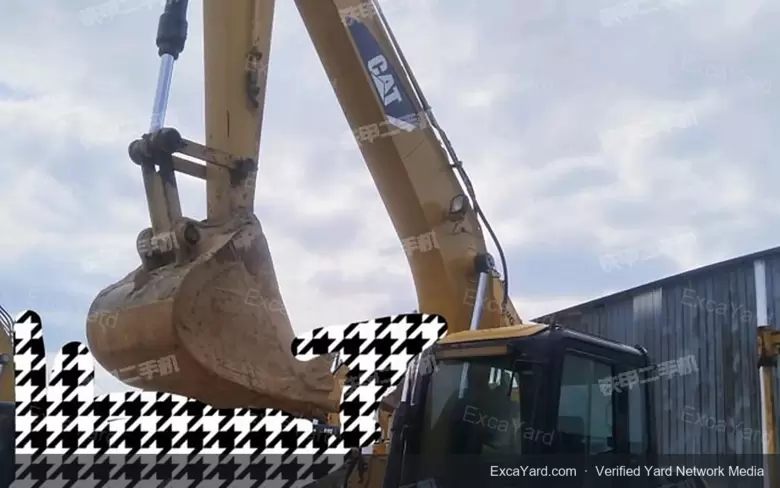
| Field | 2016 313D2GC | 2018 3055E2 |
|---|---|---|
| Class | 10–20 t | Compact |
| Year | 2016 | 2018 |
| Hours | 8,000 h | 6,200 h |
| Grade | Grade B | Grade A |
| FOB | On request | $22,500 |
| Units held | 5 | 2 |
Why the smaller machine costs more
The 3055E2 is newer, has lower hours and a Grade A listing. Compact machines also serve a different buyer: tight sites, landscaping, indoor work and utility jobs where a 13-ton machine cannot fit. The price reflects the year, the condition and the access advantage, not weight alone.
The 313D2GC is older and has more hours, but it moves more material per cycle and is still small enough for utility work. If access is not the constraint, the 313 is the better value on paper.
Where the 313D2GC wins
- More capacity for trenching, small demolition and site preparation.
- Lower FOB price and more units available (five vs two).
- Easier to justify for a contractor who needs one machine for mixed work.
Where the 3055E2 wins
- Tight access and indoor or covered work.
- Lower hours and a higher condition grade.
- Easier transport and a smaller footprint on site.
The transport difference
Both machines are easier to move than a 20-ton unit, but the compact machine containerises more easily. If your work is spread across small sites, the transport advantage can be worth more than the hourly capacity difference. If the work is one larger site, the 313D2GC is the better tool.
A day in the work
On a utility job, the compact machine can work between fences, inside a building shell or along a narrow road where the 13-ton machine cannot set up. On a small earthworks job, the 313D2GC finishes more per hour and does not need as many repositioning moves. The “better” machine is the one that spends more of the day working.
Ask yourself where the machine will spend most of its hours. If the answer is tight access, the compact wins. If the answer is general digging and trenching, the 313 wins.
Transport and site access
The compact machine is easier to move and can containerise more readily. The 313D2GC is still a small machine, but it needs a larger trailer and more space to unload. If the work is spread across several sites, the transport difference can outweigh the capacity difference.
Ask for the transport dimensions and the unloading plan for both. A machine that cannot reach the site is not a bargain.
Who should choose which
Choose the 313D2GC for mixed utility and small earthworks, a lower FOB price and five units to compare. Choose the 3055E2 for tight access, lower hours, Grade A and easier transport — and accept the higher price.
A note on price per ton
Price per ton is a poor metric for excavators. The compact machine costs more per ton because the buyer is paying for access, condition and year, not just weight. Compare the machine to the job, not to the scale.
The attachment question
Both machines can run a bucket, a breaker or a thumb, but the attachment size differs. The 13-ton machine can carry a larger bucket and a heavier breaker. The compact machine is limited by its weight and hydraulic flow. If the work needs a heavy breaker, check the compact machine’s specification before you assume it can do the job.
Ask for the pin size and the flow of each machine. An attachment that fits one will not automatically fit the other.
Parts and resale
The 313D2GC shares its family with the larger 313 units, which can help with parts and mechanic familiarity. The 3055E2 is a different size class; parts may be less common in some markets. Ask local dealers what they stock before you choose.
Resale follows demand. In a market where compact machines are scarce, the 3055E2 may hold value well. In a market where 13-ton machines are the standard utility size, the 313D2GC may be easier to sell. The better resale is local, not universal.
What the model names do not tell you
A model name does not tell you the undercarriage condition, the hydraulic history or the attachments included. Two 313D2GC units can be different buys. Compare the evidence, not the badge.
Questions buyers ask
Which is better for utility work?
Both can do utility work. The compact 3055E2 is better where access is tight; the 313D2GC is better where more capacity is needed.
Why is the compact machine more expensive?
Newer year, lower hours, Grade A and a different buyer pool. Price is not a function of weight alone.
Can I inspect both?
Yes. Ask for the same video and photo set on both units before you choose.
Choose the class before the price.
Ask for the videos, undercarriage photos and transport plans for exy-cate313d2gc-112 and exy-cate3055e2-101. We will confirm availability on WhatsApp.